5 Common Mistakes People Make When Dog Walking in Winter
Hey there, human! Mochi here. Before you grab that leash we need to talk about something serious: dog walking in winter.
Winter walks can be magical — snowflakes, fluffy coats, romantic frosty breath (mine, not yours). But if you think the same rules apply as in summer, sit, stay, and read on. I’ve sniffed out the top 5 mistakes people make when dog walking in winter, and I’m here to save your paws… I mean, your dog’s paws.
Because let’s be honest: most of you are great at cuddles, terrible at salt awareness.
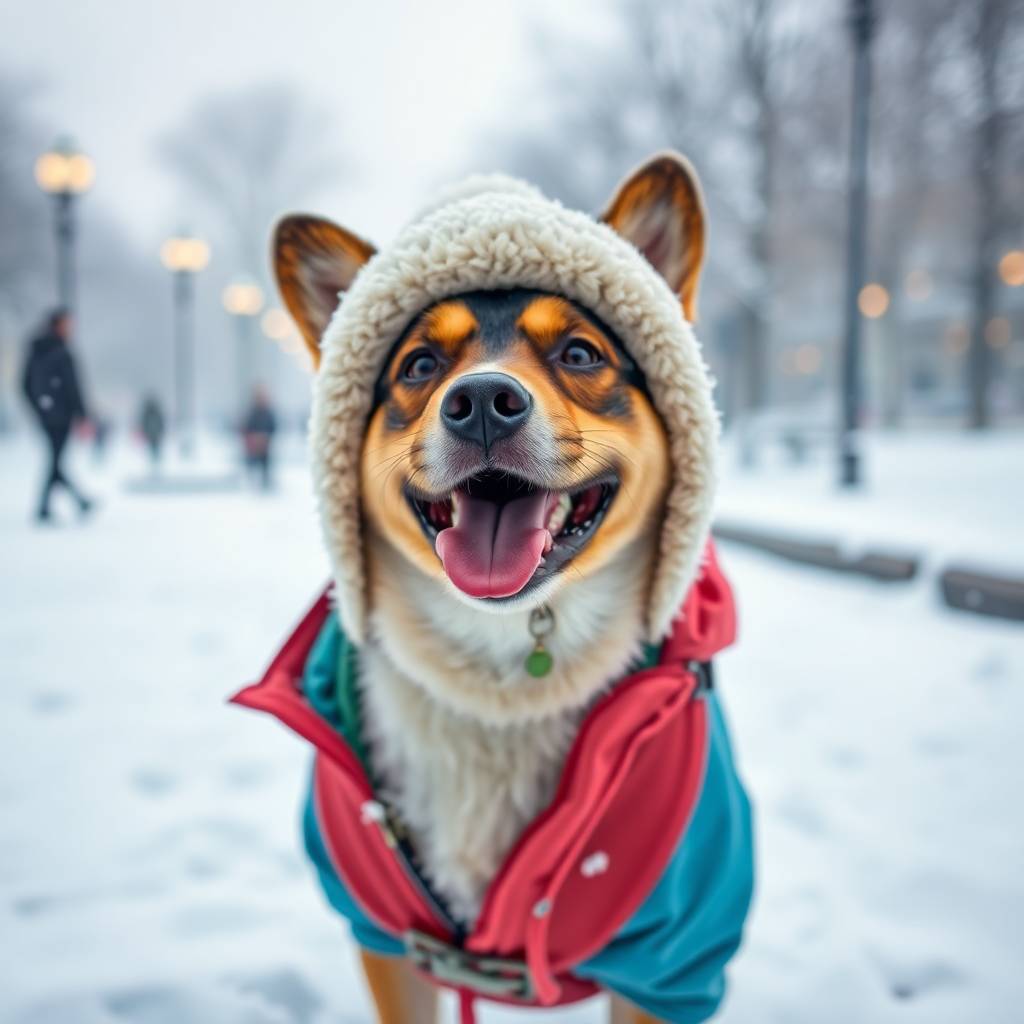
Mistake #1 – Ignoring Paw Protection (Salt, Ice & Frostbite)
Let’s start from the ground up — literally. Dog paws are delicate little tools, perfectly designed for digging up things humans would rather stay buried. But winter streets? They can turn into a frozen hazard zone.Streets, sidewalks, and trails often get covered with salt, ice-melting chemicals, and hard-packed snow, all of which can irritate, dry, and even burn paw pads.
Sad fact:
Studies show that up to 30% of dogs suffer paw pad irritation or cracks from salt and ice every winter!
And it’s not just chemical irritation. Many dogs instinctively lick their paws after a walk. While that’s perfectly natural, it can lead to ingestion of toxic substances if sidewalks have been treated with salt or other ice-melting products. Even small amounts of these chemicals can upset the stomach, cause vomiting, or in severe cases, lead to more serious health issues.. Proper paw protection is critical for safe dog walking in winter!

Practical Tips for Protecting Dog Paws During Winter Walks
Here’s the cheat sheet for humans who want their pups to survive winter walks without dramatic paw limp performances:
- Use Paw Balms or Wax
- Slap some paw wax on before you even think about stepping outside to protect against salt, ice, and cold surfaces.
- Look for natural stuff — shea butter, beeswax, coconut oil. Avoid products with harsh chemicals!
- Regular application can prevent cracks, burns, and dryness, making dog walking in winter safer and more enjoyable.
- Slap some paw wax on before you even think about stepping outside to protect against salt, ice, and cold surfaces.
- Invest in Dog Booties
Yes, they may look ridiculous. Yes, you may get strange looks from neighbors. But they work!
- Booties protect pads from salt burns, ice cuts, and snowball pain between toes.
- Proper fit is key — too tight and the pup does the “I’m walking like a crab now” shuffle; too loose and they flop off.
- Inspect and Clean Paws After Walks
- Wipe each paw thoroughly after every winter walk to remove salt, ice, and debris. Seriously. After. Every. Single. Walk.
- Check between toes and around nails for cuts, redness, or swelling.
- Consider a soothing paw cream after cleaning for extra protection. Because we deserve it!
- Wipe each paw thoroughly after every winter walk to remove salt, ice, and debris. Seriously. After. Every. Single. Walk.
- Choose Safer Routes
- Opt for parks, trails, or residential streets instead of heavily salted urban sidewalks.
- Even a slight detour can reduce chemical exposure and prevent irritation during dog walking in winter.
- Opt for parks, trails, or residential streets instead of heavily salted urban sidewalks.
- Monitor for Frostbite
- Frostbite is real. Signs of frostbite include pale or grey paw pads, swelling, or cold, stiff toes. If frostbite is suspected, warm paws gently and seek veterinary attention immediately. Don’t be that human who thinks “it’ll be fine”.
Mistake #2 – Walks That Are Too Long… or Too Short
Ah, the eternal winter walk struggle. Either humans drag their pups out for what feels like an arctic expedition — or they turn around after two minutes because their nose got cold. It’s a delicate balance. And yes, it matters a lot when it comes to dog walking in winter.
Dogs are not little snow robots. Even if they love running in the snow, cold paws, stiff joints, and biting winds can turn a fun walk into misery.
–> According to PetMD, most dogs do well with 20–30 minute walks in cold weather, depending on breed, coat, age, and actual temperature.
If you’re shivering and doing the “walk like a penguin”, your dog probably feels it too!
Practical Tips for Balanced Winter Walks
- Shorter, More Frequent Walks Are Key
- Instead of one mega walk, aim for two or three shorter walks throughout the day. This keeps pups active and happy without risking hypothermia.
Example: two 15–20 minute walks in daylight can be more beneficial than one hour-long frozen adventure.
- Instead of one mega walk, aim for two or three shorter walks throughout the day. This keeps pups active and happy without risking hypothermia.
- Time It Right: Daylight Wins
- Early morning or late evening walks in winter often mean icy, poorly lit streets.
Stick to daylight hours for better footing, visibility, and fewer frozen puddles.
Remember: dogs are natural explorers, but they don’t have headlights (yet).
- Early morning or late evening walks in winter often mean icy, poorly lit streets.
- Avoid Extreme Conditions
- Deep snow, frozen ponds, and slippery ice patches are accidents waiting to happen. If snowballs stick to fur or ice makes paws slip, it’s time to turn around.
Hypothermia risk increases quickly in wet, windy, or icy conditions.
- Deep snow, frozen ponds, and slippery ice patches are accidents waiting to happen. If snowballs stick to fur or ice makes paws slip, it’s time to turn around.
- Watch for Signs Your Dog Needs a Break
- Shivering, lifting paws, whining, or trying to turn back? Listen.
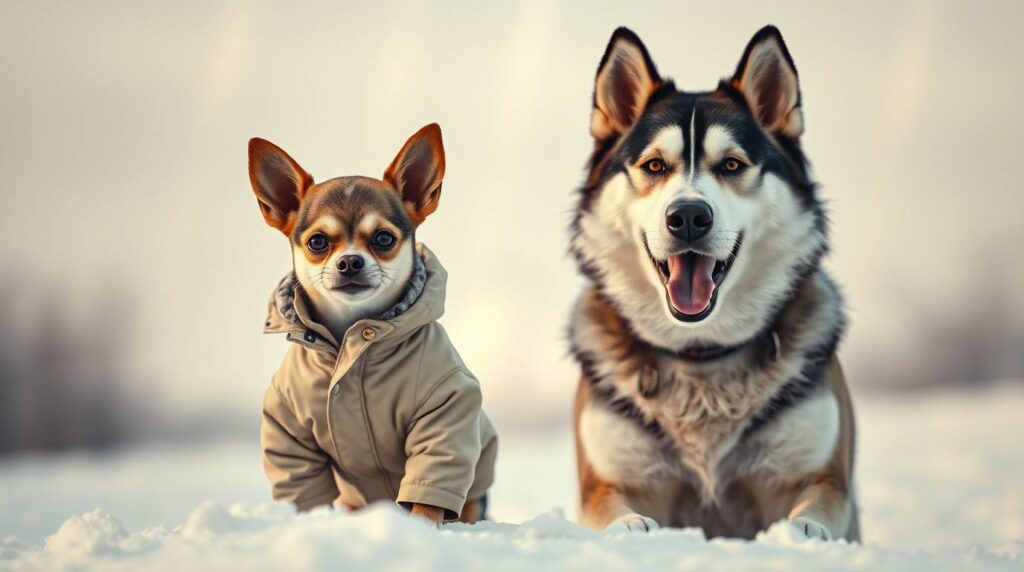
Some breeds tolerate cold better (Huskies, Malamutes), others less so (Chihuahuas, small or short-haired dogs).
Adjust walk length depending on activity, coat, and temperature.
- Shivering, lifting paws, whining, or trying to turn back? Listen.
- Too Short Walks = Indoor Chaos
- Skimping on walks can lead to doggy frustration, pent-up energy, and destroyed slippers.
Mistake #3 – No Coat or the Wrong Kind of Coat
Some dogs are born for the snow — think Huskies, Malamutes, Siberian royalty. Others… well, they look more like fancy café dogs than Arctic explorers. And yes, most of those “fancy café dogs” will shiver like a leaf if left in the cold without proper gear.
When it comes to dog walking in winter, one size (or one coat) does not fit all. Short-haired breeds, small dogs, older pups, or dogs with thin undercoats feel the chill faster than a human running to the heater after five minutes outside. Even a short walk can turn into a freezing endurance test without proper clothing.
Cold Weather Dog Walking Tips: Keep Your Pup Toasty
- Invest in a Proper Winter Dog Coat
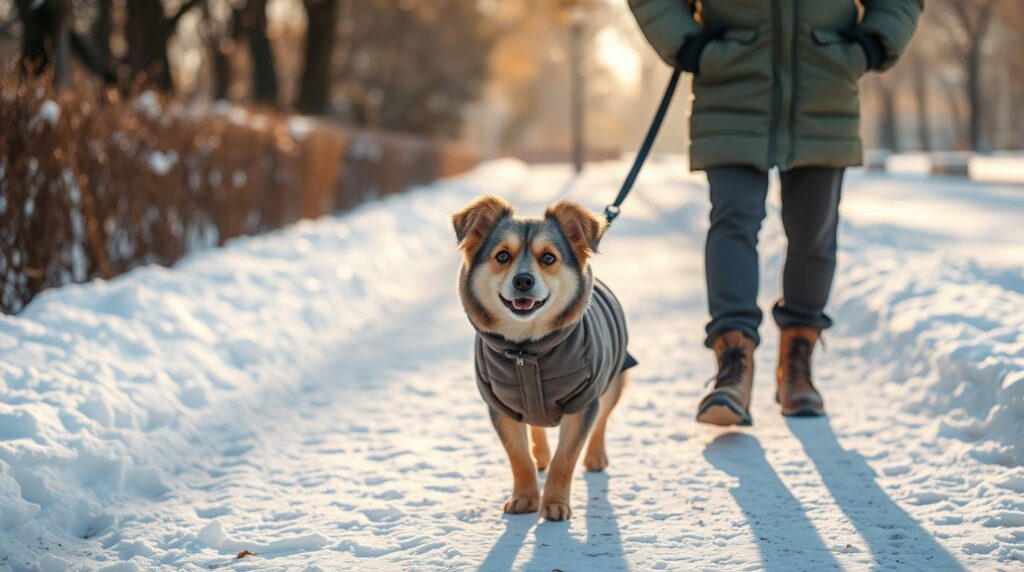
- A snug, well-fitted winter coat protects against cold, wind, and snow.
- Make sure it covers the chest and belly — these areas lose heat fast.
- Adjustable straps are a bonus for comfort and a secure fit.
- A snug, well-fitted winter coat protects against cold, wind, and snow.
- Waterproof + Warm Lining = Paw-fect Combo
- A waterproof outer layer keeps snow, slush, and drizzle off the coat.
- Warm inner lining (fleece, soft cotton, or insulated materials) traps body heat and keeps dogs toasty.
- Some coats even have extra features like hoods or neck protection — more warmth, less shivering.
- A waterproof outer layer keeps snow, slush, and drizzle off the coat.
- Dry Your Dog After Every Walk
- Wet fur + winter wind = rapid cooling and potential chills.
- Use a towel to pat dry the coat, belly, and paws. Don’t forget the tail — that thing gets wet fast!
- Bonus: brushing after drying prevents matting and keeps the coat fluffy.
- Wet fur + winter wind = rapid cooling and potential chills.
- Reflective Details Are Life-Savers
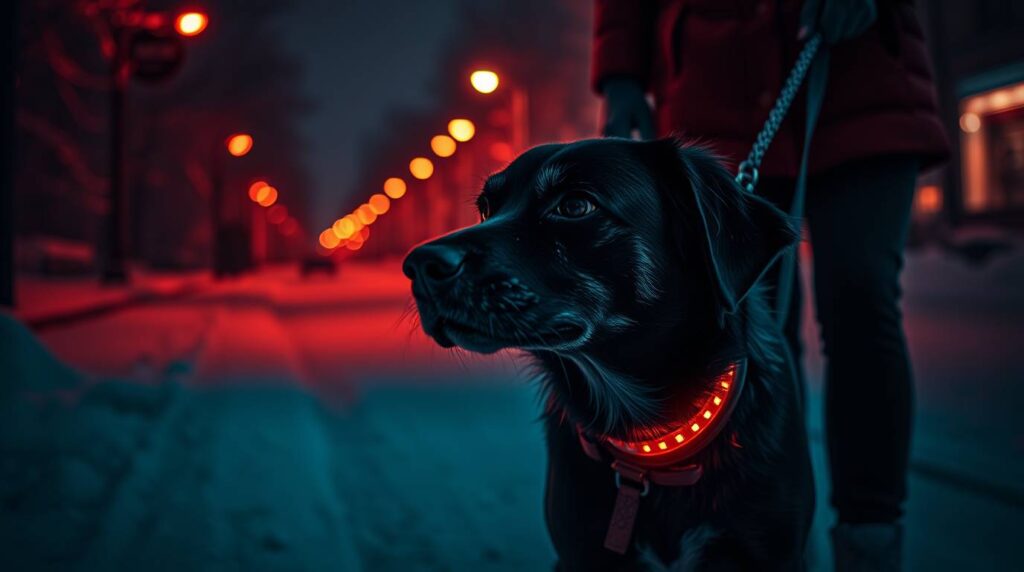
- Dark winter evenings arrive early. Reflective stripes, LED attachments, or glow-in-the-dark harnesses increase visibility.
- Even a stylish “fancy café dog” coat can be practical when it comes to safety.
- Dark winter evenings arrive early. Reflective stripes, LED attachments, or glow-in-the-dark harnesses increase visibility.
- Watch for Shivering or Stiffness
- Shivering = cold, not dramatic.
- Refusal to walk? Cold paws, chilly belly, or uncomfortable harness. Adjust gear or head back inside.
- Shivering = cold, not dramatic.
Mistake #4 – Walking After Dark Without Visibility
That magical season when the sun sets at 3:30 pm and humans pretend they don’t need lights. But for dog walking in winter, darkness is sneaky. Cars, bikes, icy patches, holes — suddenly your dog is an unlit ninja on a hazardous obstacle course.
Why it’s a mistake:
- Dogs become less visible to drivers or cyclists, increasing the risk of accidents.
- Owners may miss hidden hazards like ice patches, snow-covered holes, or frozen puddles.
- Even a short walk in low light can turn into an emergency if visibility isn’t considered.
Tips for Safe Dog Walking in Winter Evenings
- Reflective or Illuminated Gear
- Invest in reflective collars, harnesses, or LED attachments for your pup.
- Humans should also wear reflective clothing or vests.
- Visibility isn’t just cute, it’s life-saving.
- Invest in reflective collars, harnesses, or LED attachments for your pup.
- Choose Well-Lit Paths
- Stick to streets or parks you know.
- Avoid shortcuts through dark alleys or snowy backyards with hidden hazards.
- Stick to streets or parks you know.
- Avoid Frozen Water or Icy Spots
- Pups can slip, fall, or worse — crack through thin ice.
- Even short walks on frozen ponds are a no-go.
- Pups can slip, fall, or worse — crack through thin ice.
- Stay Alert
- Darkness dulls senses. Watch paws, footing, and the occasional squirrel attack.
- Safe dog walking in winter is about being proactive, not reactive.
- Darkness dulls senses. Watch paws, footing, and the occasional squirrel attack.
Mistake #5 – Bad Diet & Hydration in Winter
Your pup is still working hard during winter walks: sniffing, exploring, running in snow. Cold air is dry, and energy requirements can fluctuate. Ignoring this leads to dehydration, weight changes, and sometimes very dramatic “feed me now” behavior.
Here’s the scoop:
- Eating snow isn’t proper hydration — it lowers body temperature and can contain contaminants.
- Road salt, grit, and slush can irritate paws and upset stomachs if ingested.
- Energy needs can go up if the dog is out longer to keep warm, or down if walks are shorter, risking weight gain.
Tips for Proper Diet & Hydration During Dog Walking in Winter
- Always Provide Fresh Water
- Check bowls for ice if water is left outside.
- Offer water immediately after walks, before treats.
- Check bowls for ice if water is left outside.
- Adjust Diet to Activity
- Shorter, less active days → slightly less food.
- Long walks or cold exposure → maintain or slightly increase quality caloric intake.
- Treats are fun, but monitor overall nutrition.
- Shorter, less active days → slightly less food.
- Avoid Snow as a Drink
- Snow and slush are tempting, but not safe hydration.
- Can lower body temperature and introduce bacteria, salt, or chemicals.
- Snow and slush are tempting, but not safe hydration.
- Monitor Your Dog’s Behavior
- Shivering, lethargy, or sudden hunger cues = signs to check food, water, and warmth.
FAQ
So humans, follow these tips and maybe — just maybe — your pups won’t give you the side-eye every time they step into snow. Winter walks can be fun… if done right. And yes, extra treats after every successful outing are highly recommended!
Enough advice for today — paw pads need rest, humans need guilt for forgetting the booties, and I need my nap.
Dreamy Balmed Paws!
~ Mochi ~