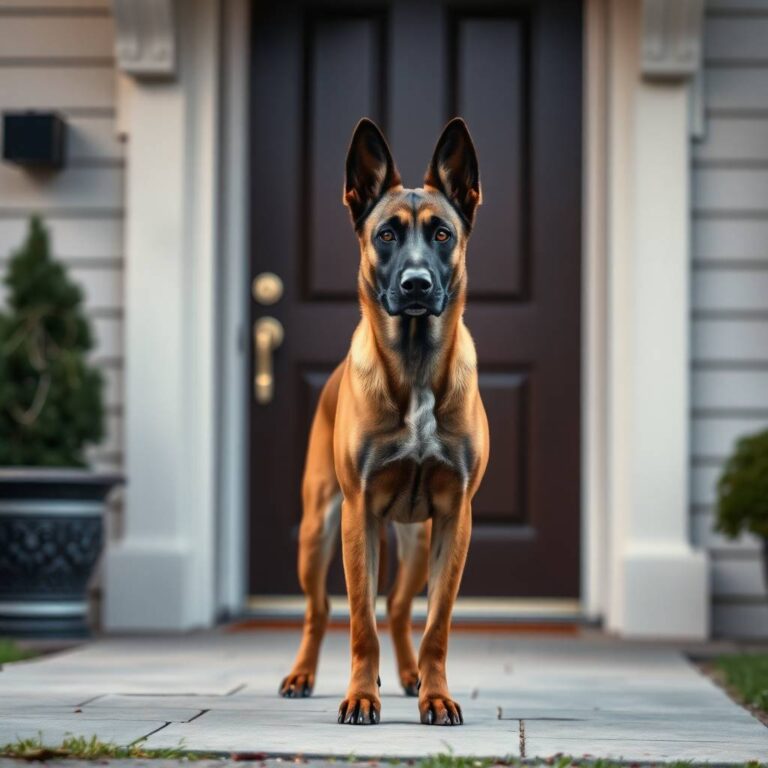
Most Aggressive Dog Breeds. Truth, Myths & Safety Tips for Owners
Hey Hoomans!
Your favorite cocker spaniel here—yes, the one with more sass than a Chihuahua on triple espresso. Today, I’m sniffing out the truth about so-called “most aggressive dog breeds.” You’ve seen the headlines, you’ve heard the horror stories… but how much is fact, and how much is just wagging-tail gossip?
Grab a chew toy and settle in—because I’m about to unleash the stats, bust the myths, and show you what really makes a dog bite.

Why Certain Dogs Get Tagged as the Most Aggressive Breeds?
Every year, millions of people are bitten by dogs worldwide.
- In the U.S., the CDC reports about 4.5 million dog bites annually, with around 30–50 fatalities.
- In Canada, dog bites account for more than 500,000 medical visits per year.
- In the UK, hospital admissions for dog bites have risen by 80% since 2008.
- And globally, the WHO warns that children are the most common victims, often under age 15.
And get this: in the U.S., the average insurance claim for a dog bite is $44,000+. That’s more than my human’s car.
So why are certain breeds—Pit Bulls, Rottweilers, and German Shepherds—always in the spotlight? Because they’re powerful, popular, and when they bite, the consequences are serious. But here’s the truth bomb:
Aggression isn’t just about breed. Training, environment, and owner responsibility play an even bigger role!
If you’re a new pet parent wondering how to raise a well-balanced pup from the start, check out Tips for First Time Dog Owners!

Which Dog Breeds Are the Most Aggressive? Fatal Attack Data
Between 2005 and 2025, humans keep trackin’ the fatal bites:
–> Pit Bulls
Still top the charts, involved in around 65% of deadly attacks, even though they’re only ~6% of U.S. pups.
–> Rottweilers
About 10%. These big ol’ teddy bears can look scary, and yeah, they’ve got the bite to match. But most Rotties are just loyal couch potatoes—just make sure they get proper training and socialization, or they might turn into furry little alarm systems with extra teeth.
–> German Shepherds
4–5%. The classic police dog look comes with responsibility. They’re smart, strong, and protective, which is awesome… unless their human forgets that brains + muscles need guidance. A bored or poorly trained Shepherd can be a recipe for a headline.
–> Other big dogs (Boxers, Dobermans, Mastiffs, Huskies)
Each make up 2–4%. Sure, they’re less often in the news, but don’t underestimate the power of a 100+ pound pooch with attitude. Boxers are clowns but can be feisty. Dobermans are loyal bodyguards but need firm leadership. Mastiffs? Gentle giants… until someone invades their space. Huskies? Fluffy escape artists with sharp teeth when annoyed.
If you love large breeds but worry about temperament, peek at Best Large Dog Breeds for Families — those are the giants who prefer cuddles to chaos.
Basically, any big dog can bite—context is key, hoomans.
Male dogs are responsible for ~80% of fatal bites. And unneutered pups? 2.6× more likely to snap. Hormones… they’re real! Kids under 14 are sadly the most common victims, making up about 60% of fatal attacks. So if you’ve got little humans around, pay attention, teach dog body language, and don’t let them hug every dog they see. And let’s not forget geography matters too:
In India, stray dogs—not fancy pedigrees—cause the majority of incidents. In France, shepherd breeds like Malinois often pop up in bite reports. In Australia, cattle dogs and kelpies show up in the statistics.
And if your dog gets anxious or reactive when you leave the house, that’s not aggression—it might be Separation Anxiety in Dogs, which needs patience, not punishment.
Breed-Specific Bans – Why They Don’t Work?
Plenty of places have tried banning the most aggressive dog breeds. Governments try to outlaw certain dogs because they think it’ll stop the biting drama. Sounds simple, right? Wrong!
What Are Breed-Specific Bans (BSL)?
Breed-specific legislation, or BSL, is when a law targets a specific dog breed—usually Pit Bulls, Rottweilers, Presa Canarios, or XL Bullies—and restricts, regulates, or outright bans them. Some rules say:
- No ownership of these breeds.
- Mandatory muzzling or leashing in public.
- Special registration or insurance requirements.
The idea is: “Ban the most aggressive dog breeds, stop the bites.” 🐾 But here’s the kicker…
- Breed ≠ Behavior
- Experts from the AVMA and RSPCA agree: breed alone is a poor predictor of aggression.
- Aggression depends on training, socialization, environment, health, and ownership—not just genetics.
- For example, a calm Pit Bull raised in a loving home can be safer than an untrained small dog that snaps at everything. (If you live in an apartment, check Best Small Dog Breeds for Apartments for breeds that fit cozy living.)
2. Misidentification of breeds
- Most dog bite reports rely on visual identification, which is often wrong.
- Pit Bulls are the easiest target because “any muscular, short-haired dog with a broad head” gets lumped in. Many bites attributed to Pit Bulls are actually from mixed breeds.
3. Displacement, not elimination
- When one breed is banned, owners may switch to another breed—or worse, keep the banned dog secretly, without training or registration.
- In the UK, after the Pit Bull ban in 1991 and XL Bullies in 2023, fatal attacks didn’t vanish; they sometimes increased, including attacks from banned breeds.
4. Focus on dogs, not owners
- The real factor is the human behind the leash.
- Studies show that owner accountability laws (requiring proper training, confinement, and reporting) reduce bites more effectively than breed bans.
- Simply banning a breed doesn’t teach people how to handle dogs safely.
5. Social and environmental factors
- Dogs raised in stressful, neglected, or abusive conditions are more likely to bite—regardless of breed.
- BSL does nothing to address puppy socialization, behavior training, or responsible ownership.
In short: banning a breed sounds like a shortcut, but it doesn’t stop bites. The smarter, safer approach is educating owners, training dogs, and creating a responsible dog-owning culture.

How to Stop Dog Aggression Before It Starts: 5 Tips from Mochi
Socialize Early & Often
Puppies are most impressionable before 14 weeks. Exposure to different people, dogs, sounds, and environments = less fear and less aggression later. If you’re not sure how to start, 10 Mistakes New Dog Owners Regret Making will help you dodge rookie errors!
Train Consistently
Positive reinforcement > punishment. Dogs learn faster when rewarded for good behavior.
Spay or Neuter
Reduces certain hormone-driven behaviors (especially in macho males).
Use Proper Management Tools
Harnesses, leashes, and yes—sometimes muzzles. They’re not cruel, they’re smart.
Learn Dog Body Language
A wagging tail isn’t always happy. Ears back, stiff posture, or whale eye = warning signs.
Signs Your Dog Might Be Ready to Bite
⚠️ Don’t say I didn’t warn you, hooman. Here are the red flags:
- Stiff body posture
- Raised hackles
- Whale eye (white of the eye showing)
- Growling or snarling
- Lip licking or yawning (from stress, not hunger)
- Tail raised and wagging stiffly
👉 Two or more at once? Time to de-escalate—quick.
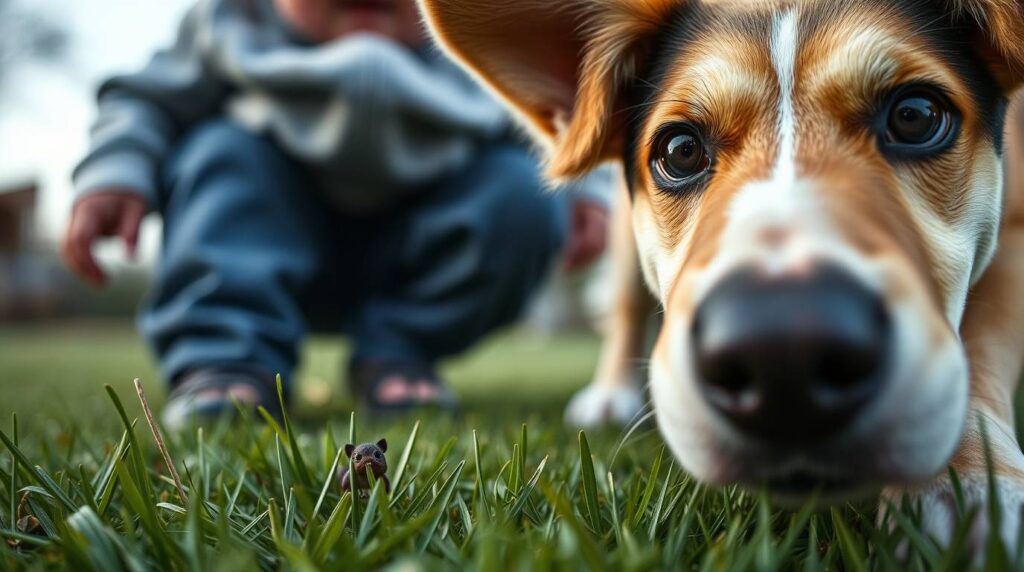
What NOT to Do Around Dogs (Teach Your Kids These Rules!)
👶 Most bites happen to children. Protect them with these golden rules:
- 🚫 Don’t hug dogs—most hate it.
- 👀 Don’t stare into their eyes.
- 🍗 Don’t grab food or toys mid-chomp.
- 💤 Don’t wake a sleeping dog.
- 🐕 Let the dog come to you first.
- ✋ Always ask before petting.
- 📵 Watch your kid, not your phone.
Trust me, noses and fingers will thank you.
FAQs About Most Aggressive Dogs
The Responsible Dog Owner’s Checklist
Before you adopt a breed with a “bad reputation,” ask yourself:
✔ Do I have time for daily training and exercise?
✔ Do I understand the breed’s instincts and history?
✔ Do I have a safe environment (yard, fences, secure handling)?
✔ Am I ready to manage a strong dog in public responsibly?
✔ Am I prepared for higher insurance costs or rental restrictions?
If you answered “no” to any… maybe a Labrador is more your speed.
If you’re looking for loyal but gentle protectors, check Best Guard Dogs for Families — they’re brave, not bitey.
And if you want the opposite—cuddly emotional support instead of muscle—see Best Therapy Dog Breeds for breeds that heal hearts, not hurt hands.
Breed Isn’t Everything—But Responsibility Is
Look, hooman. It’d be easy to slap a “dangerous” label on a breed and call it a day. But that’s not how the tail wags.
The stats don’t lie—Pit Bulls and Rottweilers dominate in most aggressive dog breeds. But environment, training, and ownership matter just as much.
🐾 Be proactive, not paranoid.
🐾 Be educated, not judgmental.
🐾 And for the love of belly rubs, be responsible.
Because at the end of the leash? It’s not just the breed.
It’s you.
Now, I’m off to find the sunniest spot in the house, flop down, and catch some well-deserved Z’s.
Until next time, stay safe, stay smart, and give your pups some belly rubs—they deserve it!
~ Mochi ~
Woof!
I’m super cute and smart, but I’m not a vet!
This guide is just me sharing tips and doggy wisdom. For serious stuff—health, medication, or severe anxiety—go sniff out a real veterinarian!