
Best Therapy Dogs. Small, Medium & Large Breeds for Emotional Support.
Hey hoomans! Mochi the Spaniel on duty. 🐕 I’ve sniffed, cuddled, and rated the fluffiest best therapy dogs of all sizes—from tiny lap snugglebugs to jumbo love monsters. If you’re ready to boost your happiness, and calm your stress, I’ve got the ultimate furry lineup for you!
Let’s dive into some serious tail-wagging therapy!
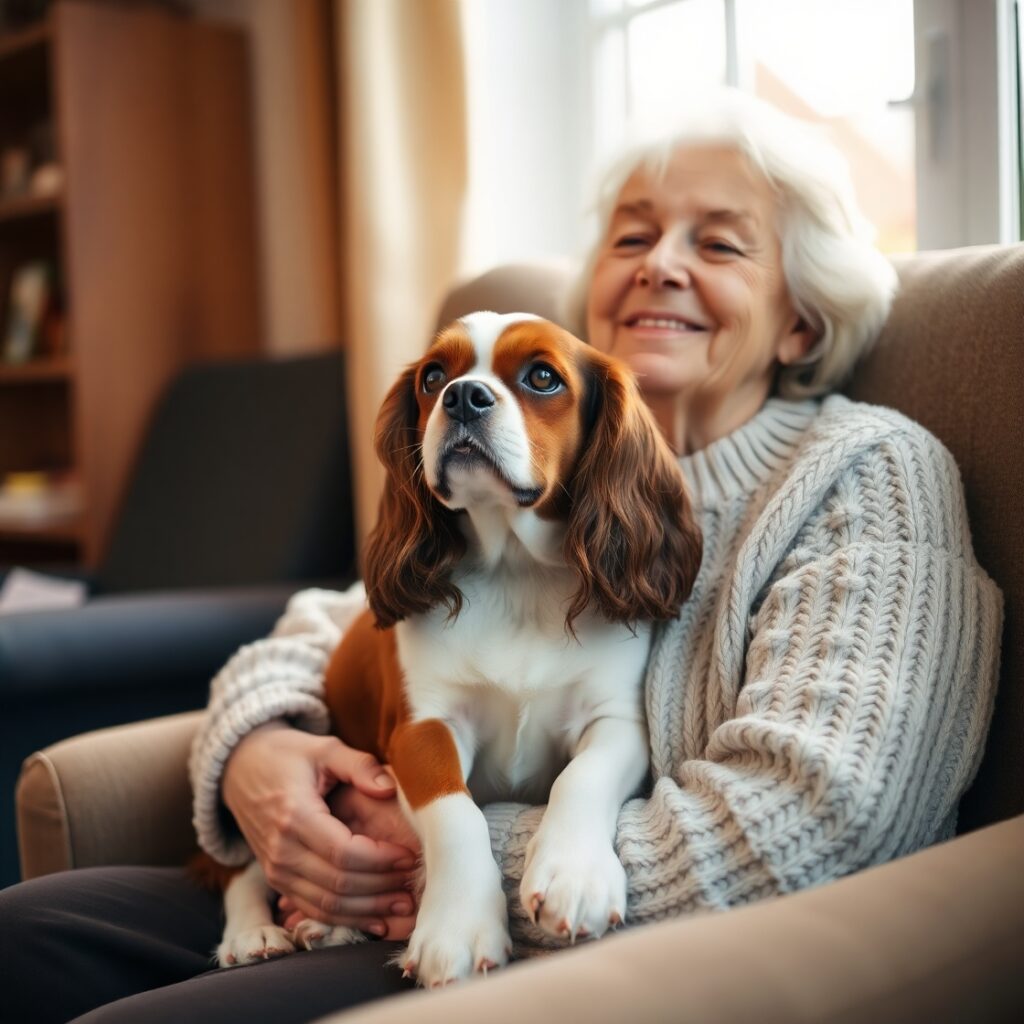
What Even Is a Therapy Dog?
Okay, hooman, listen up: therapy dogs = professional love dispensers. 💕We don’t do the super serious tasks of service dogs (like guiding humans who are blind, opening doors, or detecting seizures), and we’re not just assigned to one human like Emotional Support Animals (ESAs). Nope, our job is much simpler… and much fluffier: we bring calm, cuddles, and good vibes to lots of humans.
Where do we work? Pretty much anywhere people need a dose of happiness: hospitals, schools, nursing homes, libraries, airports… even disaster zones! Picture this: someone stressed, sad, or lonely, and in walks a calm, friendly floof who sits, snuggles, and maybe drools a little—instant mood upgrade. 😎
We’re trained to handle all sorts of chaos—loud noises, wheelchairs, crying kids, random sneezes… you name it. And yes, petting a therapy dog can actually reduce stress hormones by up to 30%! That’s right: we’re basically free, furry therapists in fur coats.
Fun Fact!
Petting a dog can lower your stress hormones by 30%. We’re basically magic fur with paws.
–> Quick Sniff:
- Therapy Dog: Comforts strangers, trained for public emotional support.
- ESA: Comforts one human, no public access.
- Service Dog: Serious job, trained to help a human with a disability. Full access rights.
For a deeper look into different dog temperaments and behavior, see which breeds are known to be Best Easy to Train Dogs.
How Therapy Dogs Work? Science Says!
We actually make humans feel better in real, measurable ways. Science backs it up!
–> Lower Stress & Blood Pressure
Petting a calm, friendly dog can lower your cortisol (stress hormone) and even reduce blood pressure. That means one fluffy cuddle = your heart saying, “Ahhhh, finally.”
–> Reduce Anxiety & Depression
Therapy dogs are like tiny, four-legged therapists — we can sense stress just like humans. Some of us even struggle with separation anxiety when left alone too long! We’re calm, predictable, and non-judgmental — perfect for humans feeling anxious, sad, or overwhelmed. Even a few minutes of cuddles can lift your mood.
–> Boost Happiness Hormones
Cuddles, tail wags, and puppy eyes trigger oxytocin and serotonin in humans. Translation: you feel happy, loved, and maybe even a little silly. Trust me, it works better than binge-watching cute cat videos.
–> Support for PTSD & Autism
Humans with PTSD or autism often benefit from our presence. A therapy dog can provide grounding, comfort, and emotional stability during stressful moments. Basically, we help brains feel safe.
–> Social & Emotional Connection
Having a therapy dog around encourages interaction. Kids, seniors, or shy humans suddenly want to talk, smile, and share stories. We make social connections easier… and way more fun.
We don’t just sit there looking cute (though that’s part of it). We feel your vibes, respond with empathy, and can actually help calm your racing thoughts. All we ask in return is love, pets, and maybe a snack.

Best Small Therapy Dogs
1. Cavalier King Charles Spaniel
Tiny royalty that melts your stress with just one look. Calm, patient, perfect for kids and seniors. Will stare into your soul until you feel better… and might demand your lap 24/7.
2. Pug
The face? Adorable. The snort? Secretly soothing. Emotionally tuned in and basically a baked potato with a PhD in comforting humans.
3. Bichon Frise
Bouncy, cheerful, hypoallergenic fluffball. Instantly lifts moods and spreads joy like confetti. Great for hospitals and allergy-sensitive humans. Bonus: they’re also one of the most Hypoallergenic Dogs — great for people with allergies.
4. Yorkshire Terrier
Small but highly intuitive. Knows exactly when you need love—or a snack. Perfect for tight spaces and dramatic Netflix cries. Yorkies also rank high among the Best Small Dog Breeds for Apartments.
5. Dachshund
Low to the ground, high on loyalty. Excellent for sitting quietly with kids or seniors, naps like a pro, and silently judges your life choices while cuddling.
Best Medium Therapy Dogs
1. Cocker Spaniel – Hi, That’s Me!
Soft ears, soft heart, maximum cuddle potential. Reads your emotions and calms your nerves with just one look. Perfect for therapy visits or someone who cries over Disney movies.
2. Medium Poodle
Smart, calm, and emotionally aware. Can read moods better than your human therapist and adjusts behavior instantly. Great for hospitals, schools, or sensitive settings. Poodles are not only emotional geniuses but also part of our list of Best Easy to Train Dogs.
3. Beagle
Friendly, energetic, and endlessly cuddly. Detects snacks and sadness. Perfect for kids, seniors, and basically anyone who needs a mood boost.
4. Miniature Labradoodle
Poodle brains, Labrador heart. Loyal, and intuitive. Great for therapy work, schools, hospitals, or binge-watching sessions. Their low-shedding coats also make them great options for allergy-sensitive humans — just like other Hypoallergenic Dogs.
Best Large Therapy Dogs
1. Golden Retriever
Kind, patient, and endlessly friendly. Can calm nerves, hug hard, and fetch your tears if needed. Therapy royalty with a wagging tail. Goldens are also among the Best Large Dog Breeds for Families — loving, loyal, and endlessly patient.
2. Labrador Retriever
Easy-going, loyal, loves cuddles. Perfect for therapy sessions with kids, groups, or anyone needing emotional support and slobbery kisses.
3. Bernese Mountain Dog
Big, calm, patient, and perfect for deep-pressure therapy. Excellent at long cuddle sessions and giving humans a sense of comfort and calm. These gentle giants are also featured in our list of Best Large Dog Breeds for Families.
4. Great Dane
Looks intimidating, but huge heart inside. Calm, patient, and aware of human emotions. Ideal for anyone who needs a full-body snuggle and a sense of security.

How to Pick Your Best Therapy Dog
Energy Level & Temperament – Calm Wins Every Time
Not every dog is cut out to be a therapy dog. High-energy pups can be adorable… but if your goal is to calm anxious kids, seniors, or stressed-out humans, look for a dog who’s chill, patient, and emotionally tuned in. Think of them like walking therapy pillows: they stay relaxed even when chaos erupts around them. Drama queens and overly excitable pups? Best left to fetch-only jobs.
Pro Tip!
Medium-energy dogs can work too, but make sure they know when it’s time to chill and snuggle.
Match Size to Your Space – Big Dog, Big Responsibility
Size matters! If you live in a tiny apartment, a Cavalier or Yorkie is your best bet—they fit on laps, chairs, and sometimes even in your bag. Not sure if your living space fits your dream pup? Check our guide to the Best Small Dog Breeds for Apartments.
Medium dogs like Cocker Spaniels or Labradoodles are great for most homes, while giant floofs like Bernese or Great Danes need space and a sturdy floor… and a hooman ready for some serious full-body cuddles.
Pro Tip!
Don’t underestimate small dogs—they bring emotional support power in a pint-sized package!
Allergies & Shedding – Keep It Sniff-Test Friendly
Some humans are allergic or just don’t want fur everywhere. Hypoallergenic breeds like Poodles or Labradoodles are lifesavers—they shed less, drool less, and still have all the love. If allergies aren’t an issue, literally any calm, friendly dog can be a therapy dog, but shedding will be a factor in schools, hospitals, and cozy homes. Curious which breeds are best for sneeze-prone humans? Here’s the truth about Hypoallergenic Dogs.
Pro Tip!
Even “low-shed” dogs need grooming. Clean ears, trimmed nails, and brushed fur = happy hoomans.
Training & Certification – Manners Make the Therapy Dog
Good manners are non-negotiable. Therapy dogs need to sit, stay, walk politely on a leash, and not freak out around wheelchairs, loud noises, or sneezing toddlers. Certification isn’t mandatory everywhere, but it gives credibility, access to more therapy programs, and shows that your dog is legit.
Popular organizations for training and certification include:
✔️ Pet Partners – One of the biggest therapy dog organizations in the U.S.
✔️ Alliance of Therapy Dogs – Offers a wide range of certification programs.
✔️ Local therapy dog clubs – Sometimes they have the best hands-on advice and small-group support.
–> Pro tip:
Training isn’t just for humans’ peace of mind—your dog will enjoy it too. A well-trained therapy dog is confident, happy, and ready to make the world a better place. If you’re just starting out, avoid these 10 Mistakes New Dog Owners Regret Making — your future therapy pup will thank you.

FAQ – Sniffing Out Best Therapy Dog Facts
Final Tips for Picking the Best Therapy Dogs
Well, hooman, that’s a wrap!
Remember: therapy dogs don’t just give hugs—they give calm, joy, and a reason to smile on tough days. So go find your perfect furry therapist, give them treats, belly rubs, and maybe a stylish bandana. And now… go hug a dog. Or three. Trust me, your stress won’t know what hit it.
I could keep talking about floofs and cuddles forever… but I hear a motorcycle outside, and someone has to bark at it. Duty calls!
Sniff ya later!
~ Mochi ~
Woof!
I’m super cute and smart, but I’m not a vet!
This guide is just me sharing tips and doggy wisdom. For serious stuff—health, medication, or severe anxiety—go sniff out a real veterinarian!