Probiotics for Dogs: When, Why, and How to Boost Your Pup’s Gut Health?
Hey hooman, it’s me, Mochi. I may spend part of my day doing zoomies and the other part judging your snack choices, but I also know a thing or two about keeping this fluffy body of mine in tip-top shape. Today I’m going to school you on probiotics for dogs, when to use them, and why they are far more than just “help with tummy troubles”. Let’s dig in!

What Are Probiotics for Dogs and Why Do We Need Them?
Okay, so “probiotics” means “for life,” which is pretty darn obvious if you’ve seen me bounding down the hallway. Technically, probiotics for dogs are live beneficial bacteria that improve gut health, immune function, and even mood!
–> Roughly 70% of a dog’s immune system resides in the gut (Yep, my belly might be soft and squishy, but it’s also a powerhouse of gut health).
–> Certain probiotic strains can improve weight gain, immune markers (IgG, IFN-α), and reduce harmful bacteria in older dogs.
–> Dogs with gut issues (e.g., acute diarrhea, enteropathies) recover faster and have fewer loose stools with probiotics.
Long story short: yes, even I (the majestic Mochi) benefit from gut health support.
Signs Your Dog Might Need Probiotics.
Not sure if your dog needs probiotics? Watch for these signs:
- Loose stools or excessive gas (the stinky kind).
- Itchy skin, dull coat, or other signs of inflammation.
- Bad breath that doesn’t vanish after brushing.
- Appetite changes, lethargy, or post-antibiotic sluggishness.
- Increased stress or anxiety (yes, your dog can get grumpy if the gut is unhappy).
Probiotics for dogs can help address many of these issues by restoring balance to the gut microbiome — science says so, not just my furry wisdom.
When is the right time to give your dog probiotics?
Here are the occasions when I wag my tail in approval at the idea of a probiotic:
- Digestive Upset – Loose stools, diarrhea, or post-snack catastrophes during walks.
- After Antibiotics – Antibiotics can kill good gut bacteria; probiotics for dogs help restore balance.
- Stressful Situations – Moving homes, boarding, or new routines can wreak havoc on the gut. Probiotics support stress-induced GI changes.
- Chronic GI or Inflammatory Issues – Dogs with IBD or chronic enteropathies may benefit from targeted probiotics.
- Preventive Health – Even healthy pups can get a gut boost for long-term immunity and digestion.
Why Probiotics for Dogs Are Worth It?
✔️ 61% of dog owners give probiotics for digestive health, 59% for immune support, and 58% for healthy aging.
✔️ Older dogs taking probiotics show improvement in beneficial bacteria (Lactobacillus, Faecalibacterium prausnitzii) and reduction of harmful bacteria.
✔️ In stressful environments like shelters, probiotics reduced prolonged diarrhea from 20.7% to 7.7%.

Natural Sources of Probiotics for Dogs
Not every gut-boosting solution has to be a capsule. Some tasty, natural options:
Plain unsweetened with live cultures.
Gentle on pup tummies.
Tiny amounts, no onion/garlic
Prebiotic that feeds good bacteria.
Adding these is an easy way to include probiotics for dogs naturally.
Probiotics vs Prebiotics — What’s the Deal?
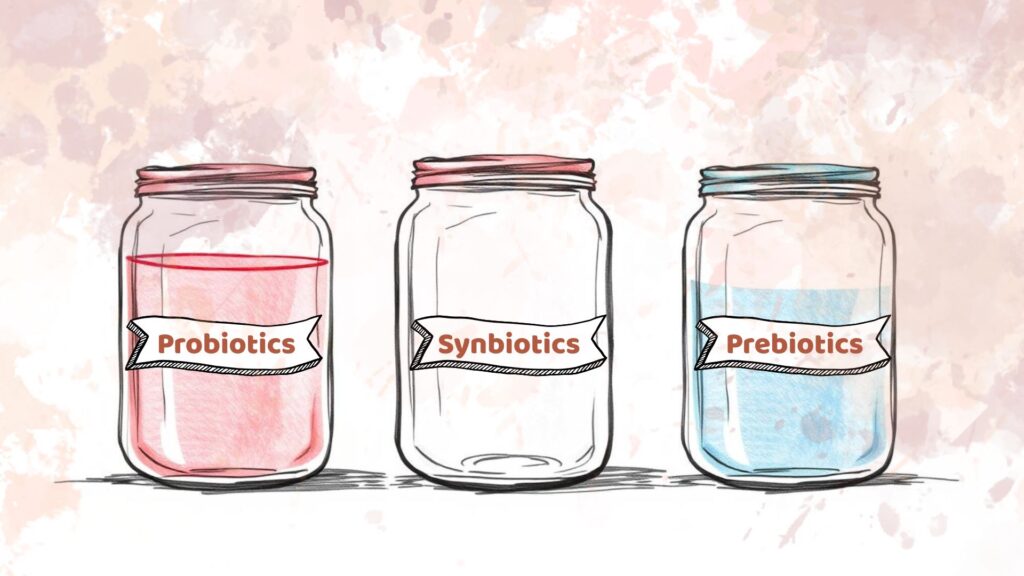
Okay, let’s break it down. Probiotics are the actual good bacteria — think of them as the party guests in your dog’s gut. They help:
–> Digest food more efficiently
–> Keep harmful bacteria in check
–> Support a strong immune system
–> Reduce inflammation and improve nutrient absorption
Prebiotics are the fibers that feed these party guests — basically, the snacks that keep the party going. Common prebiotics for dogs include:
–> Pumpkin puree
–> Chicory root
–> Bananas (yes, your dog can enjoy them in moderation!)
–> Oats and barley
Without prebiotics, probiotics are like a rock band with no stage — a lot of noise but nowhere to shine!
Synbiotics = probiotics + prebiotics working together. This is the ultimate gut dream team. Science has shown that giving dogs both can improve:
–> Stool consistency
–> Gut microbiome diversity
–> Immune function
–> Even stress resilience
Think of it this way: probiotics are the rock band, prebiotics are the stage, and synbiotics are the sold-out concert. The gut bacteria are jamming, the crowd (your dog’s immune system) is happy, and everyone goes home tail-wagging.
Pro tip!
If you’re giving your dog probiotics for dogs, consider pairing them with natural prebiotics. It’s like giving the party guests the best snacks
Which Probiotic Strains & What to Check For?
- Specific strains: Lactobacillus acidophilus, Enterococcus faecium, Bifidobacterium animalis.
- Dose: Typically 1–10 billion CFUs per day (colony forming units).
- Canine-specific: Human probiotics aren’t the same as dog probiotics! Dogs have different gut flora than humans.
- Storage & expiry: Live microbes can die if stored badly. Treat it like your favorite chew toy.
How to Give Probiotics to Your Dog?
Okay hooman, you’ve got the probiotics — now what? Here’s how to make sure your dog actually eats them and benefits from the magic:
1. Start slowly: Begin with half the recommended dose for 3–5 days, then increase to the full amount. This prevents a puppy explosion of gas.
2. Form matters: Probiotics for dogs come as powders, capsules, chews, or pastes. Pick what works for your pup. Chews = treats, powders = sprinkled on kibble, pastes = direct spoon attack.
3. Mixing tips: Sprinkle the powder on wet or dry food. A little yogurt or broth can help mask the “eh, what is this?” flavor.
4. Timing: Most dogs do fine anytime, but some vets recommend giving probiotics with a meal to protect the bacteria from stomach acid.
Common Mistakes When Using Probiotics for Dogs
Even the best intentions can go sideways. Avoid these rookie errors:
Expecting miracles — probiotics support, not replace, a balanced diet or vet care.
Giving human probiotics — different strains, different results. Dogs need canine-specific probiotics for dogs!
Overdosing — more isn’t always better. Too much can cause temporary diarrhea.
Bad storage — heat, light, or moisture can kill live bacteria. Don’t leave them in the car or on the counter.
Inconsistent administration — skipping days can reduce benefits. Think of it as feeding the gut party guests.
Do Probiotics Work the Same for All Dogs?
Short answer: nope. Dogs are all unique little poop machines. Factors affecting probiotics for dogs effectiveness:
- Diet: A high-quality, balanced diet supports probiotics, but kibble alone may limit their effects.
- Age: Puppies are still developing gut flora, while seniors may need strains targeting immunity.
- Breed & size: Digestive systems vary; some breeds are prone to sensitive stomachs.
- Health status: Chronic GI conditions, immune issues, or recent antibiotics affect response.
Pro tip!
Monitor your pup, adjust doses if needed, and check with your vet for personalized guidance!
How to Monitor Your Dog’s Response to Probiotics?
Probiotics aren’t magic wands — you’ve gotta keep an eye out:
–> First 1–2 weeks
Watch stool consistency, gas levels, appetite, and energy.
–> Positive signs
Firmer stools, better mood, improved coat, less bloating, more zoomies.
–> Possible mild side effects
Temporary gas or loose stool as the gut adjusts (don’t panic, Mochi says it’s normal).
–> When to call the vet
Persistent diarrhea, vomiting, or signs of allergies — probiotics aren’t the solution here!
Pro tip!
Keep a little “gut journal” for your pup. Note changes day by day. It’s like a doggy diary, but with science.

But (of course) there’s a “but”!
- Probiotics for dogs aren’t a substitute for good diet, clean water, vet care, or overall healthy lifestyle.
- Not all dogs need them constantly. Healthy pups with no gut issues may not need supplements.
- Severely immunocompromised dogs should use probiotics only under veterinary supervision.
- Avoid vague products with no listed strains or CFU counts — marketing hype is everywhere.
Summary: My personal recommendation (from the fur-side)
- When: Digestive upset, after antibiotics, stressful events, chronic GI issues, or preventive support.
- Why: Better gut health → stronger immunity → happier mood → overall wellbeing.
- What to check: Specific strains, proper dose, canine-specific, proper storage.
- Bonus tip: Always chat with your vet before starting, especially if your dog has health issues!
Pawbiotics Q&A
So, dear hooman, the fate of your pup’s gut lies in your hands. Will you feed the good bacteria? Will the belly party thrive? Only you can decide… but I have faith. Go forth, sprinkle wisely, and may the tail wags be ever in your favor! 🐾
My wisdom is shared, my tail is tired… time to patrol the living room for invisible intruders.
Paws on duty!
~ Mochi ~
Woof!
I’m super cute and smart, but I’m not a vet!
This guide is just me sharing tips and doggy wisdom. For serious stuff—health, medication, or severe anxiety—go sniff out a real veterinarian!