Best Small Dog Breeds for Apartments — Quiet & Cuddly Companions
Looking for the best small dog breeds for apartments? Mochi’s got your back! This guide will help you avoid noisy, hyper pups and find that perfect little furball who’ll snuggle silently, keep the peace with neighbors, and live long enough to steal your snacks for years!
Why Small Apartment Dogs Make the Best City Companions?
✔️ Small but Mighty
Tiny paws = more space for your snacks. Unlike a Great Dane who thinks your couch is his throne, small dogs politely take one corner (okay, they take ALL the corners, but at least they fit). Check out my guide to the best large dog breeds for families if you’re curious about giant floofs too!
✔️ Quiet Neighbors
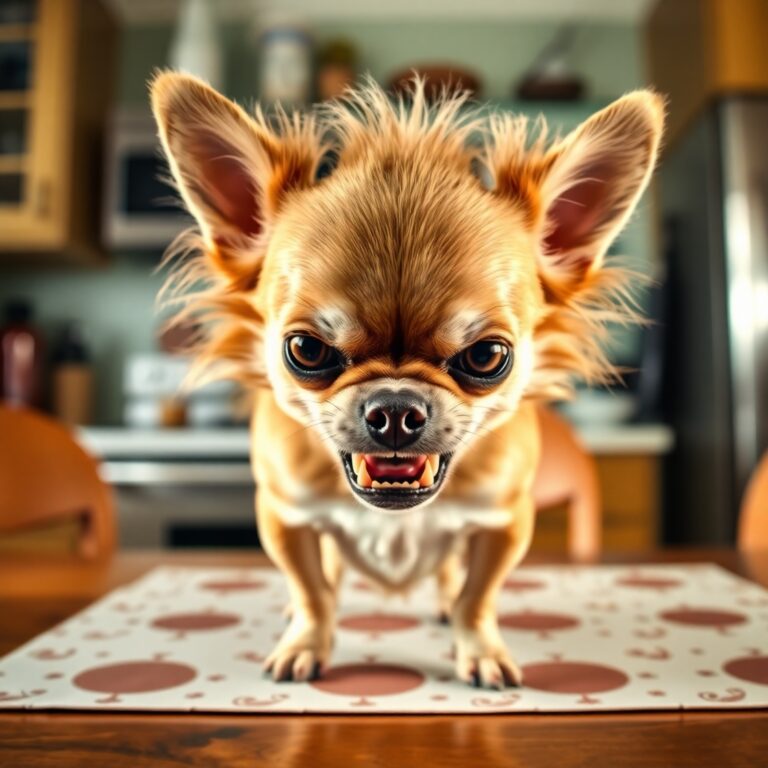
The best small dog breeds for apartments often stay chill when the delivery guy shows up. No 2 a.m. bark concerts, no angry neighbors banging on your wall. Unless, of course, you adopt a Chihuahua with a voice bigger than its body!
✔️ Long Lifespans
Small dogs live longer! A Toy Poodle might stick around 18 years. That’s almost two decades of judgmental stares while you eat chips in bed.
💡 Tip: Curious how your dog’s age compares to human years? Check out our Dog Age Chart to see how fast your tiny buddy is aging!
Best Small Dog Breeds for Apartments: Top Picks
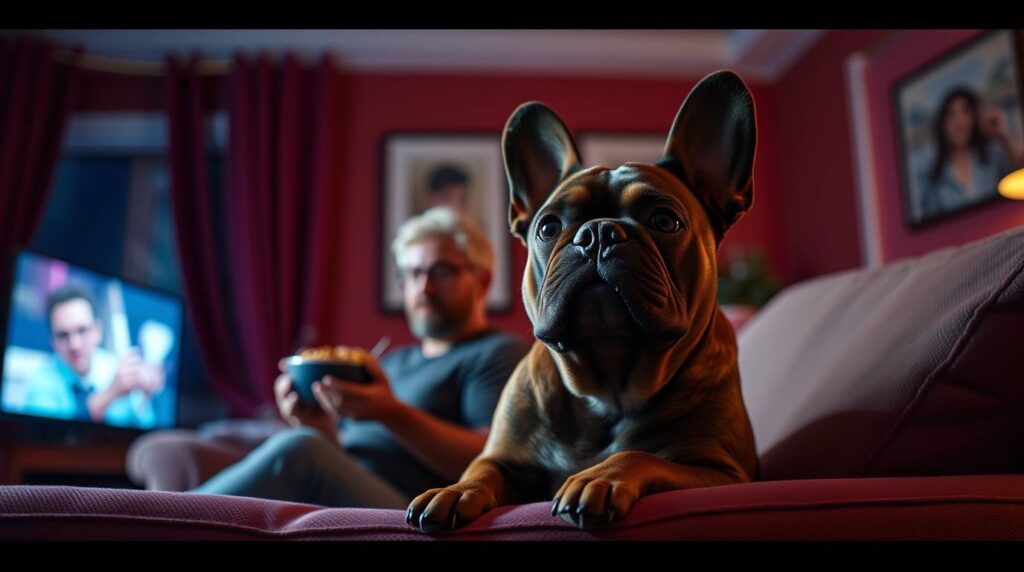
French Bulldog
Pros: Couch potatoes, affectionate, don’t need much exercise. Perfect for apartment living and Netflix marathons.
Cons: Breathing issues (those smushy faces aren’t built for marathons). Vet visits = frequent. Can be stubborn and sometimes hard to train.
Personality & Lifestyle: French Bulldogs are little clowns at heart. They love attention, follow you around the house, and often have quirky habits like snorting, snoring, or giving dramatic sighs when ignored. While they’re generally calm indoors, they still enjoy short play sessions and socializing with other dogs.
Health Tips: Because of their brachycephalic (smushed) faces, Frenchies are prone to overheating, so avoid long walks in hot weather! Regular ear cleaning and dental care are important, as they can be prone to infections.
Mochi’s Story: One time I met a Frenchie named Bruno who would just hop onto anyone’s lap out of nowhere. It didn’t matter if they were working, reading, or eating—suddenly he’d be there, claiming their lap for a cuddle.
Fun Fact: Despite their small size, French Bulldogs have surprisingly big personalities. Some owners claim their Frenchie has a “human-like” sense of humor—they’ll fake a yawn, steal socks, or stare at you with the perfect judgmental look.
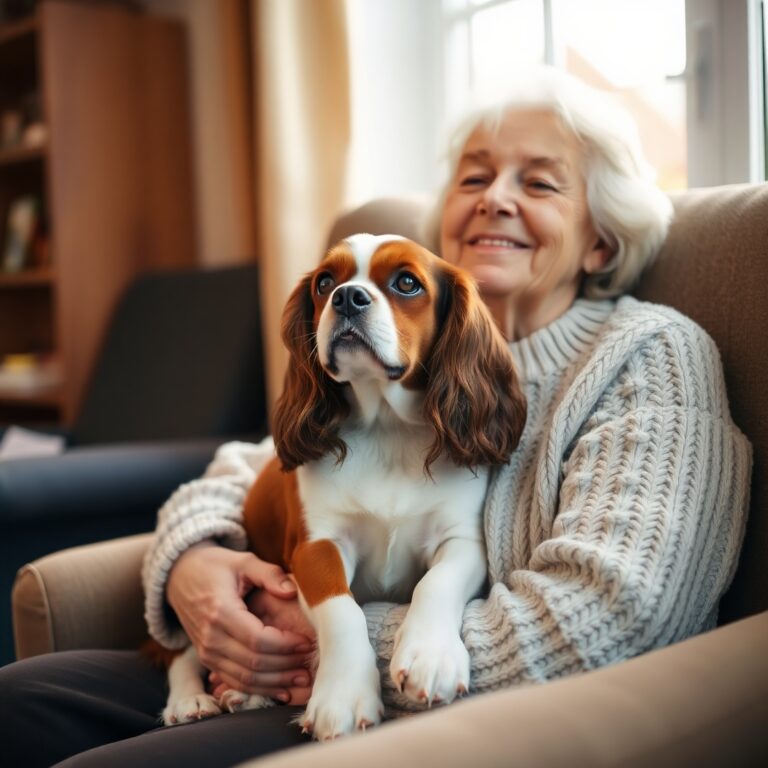
Cavalier King Charles Spaniel
Pros: Gentle, lap-loving, family-friendly. Perfect for cuddles, lazy Sundays, and anyone who enjoys being followed around the house by a tiny furry shadow.
Cons: Prone to heart disease, separation anxiety, and sometimes stubborn little moods. They’re delicate pups, so vet visits are important.
Personality & Lifestyle: Cavaliers are the ultimate comfort dogs. They thrive on affection, love human company, and are happiest when snuggled up on your lap or gently nudging you for attention. Despite their small size, they can be surprisingly playful and enjoy short games of fetch or gentle walks.
Health Tips: Because they can develop heart issues, regular check-ups are key. Cavaliers also dislike being left alone for long periods—if you work from home, they’ll happily be your tiny co-worker.
Mochi’s Story: One time I met a Cavalier King Charles Spaniel named Henry in the park. He was trying to carry a stick twice his size and kept tripping over it, tumbling across the grass like a tiny royal knight on a clumsy quest. I couldn’t stop wagging my tail watching him struggle—he looked so proud of himself every time he got back up!
Fun Fact: Known as the “comfort dog” of royalty, Cavaliers often carry themselves with a regal air… until it’s time for a belly rub, then all dignity is forgotten.

Shih Tzu
Pros: Chill, friendly, low-energy. Perfect for lounging on the couch, snuggling under blankets, or just quietly keeping you company around the house.
Cons: Their coat needs daily brushing to stay tangle-free. Some can also be a bit stubborn or spoiled, and a few may have breathing issues due to their smooshy faces.
Personality & Lifestyle: Shih Tzus are affectionate little companions who love attention and cuddles. They’re calm indoors, enjoy short play sessions, and thrive on human interaction. Don’t let their small size fool you—they often have a big personality packed into a tiny, fluffy body.
Health Tips: Shih Tzus can be prone to breathing issues, dental problems, and eye irritation due to their flat faces. Regular vet check-ups, gentle daily grooming, and keeping an eye on their weight will help them stay happy and healthy. Also, avoid long walks in extreme heat—they prefer short strolls and lots of indoor cuddle time.
Mochi’s Story: I once met a Shih Tzu named Bella who absolutely refused to take a bath. Her human tried everything, but the only thing that worked was offering her a piece of rotisserie chicken. Watching her strut away proudly afterward, tail high, was priceless—like she had just negotiated world peace!
Boston Terrier
Pros: Smart, affectionate, and relatively quiet. Their tuxedo-style coat gives them an effortlessly classy look, and they’re usually easy to train. Boston Terriers love being around people and can be playful without being hyperactive—perfect for apartments.
Cons: Gas issues—trust Mochi, you’ll want an air freshener nearby. Some can also be prone to eye problems and sensitive stomachs.
Personality & Lifestyle: Boston Terriers are little clowns with big personalities. They’re intelligent and curious, often figuring out new tricks quickly, but they also enjoy lounging on the couch and snuggling. They bond closely with their humans and are happiest when included in family activities.
Health Tips: Regular vet check-ups are important, especially for their eyes and respiratory health. Keep their diet consistent to reduce gassiness, and avoid overheating since they can struggle in hot weather. Short walks and play sessions are perfect to keep them fit and happy.
Mochi’s Story: I once met a Boston Terrier named Winston who looked like a tiny tuxedoed gentleman… until he let one rip mid-play in the park. Everyone turned their heads, but he just wagged his tail proudly, as if nothing happened. Classic Boston Terrier behavior—classy on the outside, chaotic on the inside!
Basenji
Pros: Basenjis don’t bark, making them perfect for apartments or quiet households. They’re clean, low-odor dogs with cat-like grooming habits and a sleek, elegant look. Smart and independent, they can be charming companions for owners who match their energy.
Cons: They need lots of exercise and mental stimulation. A bored Basenji can turn into a tiny mischief machine—chewed furniture, stolen socks, and general chaos are all possibilities. They can also be stubborn, so training requires patience and consistency.
Personality & Lifestyle: Basenjis are curious, intelligent, and alert. They bond closely with their humans but often march to the beat of their own drum. Their independence makes them more like feline companions than typical dogs—they’ll play and cuddle on their terms.
Health Tips: Regular exercise is essential to prevent boredom and destructive behavior. Basenjis are generally healthy but can be prone to certain genetic conditions, so regular vet check-ups and monitoring their diet are important. Mental stimulation through games or puzzles keeps them happy and balanced.
Mochi’s Story: I once met a Basenji named Zazu who didn’t bark a single time—but started yodeling like a tiny opera singer when he saw a squirrel. I had to pause just to admire the performance—it was equal parts hilarious and impressive!
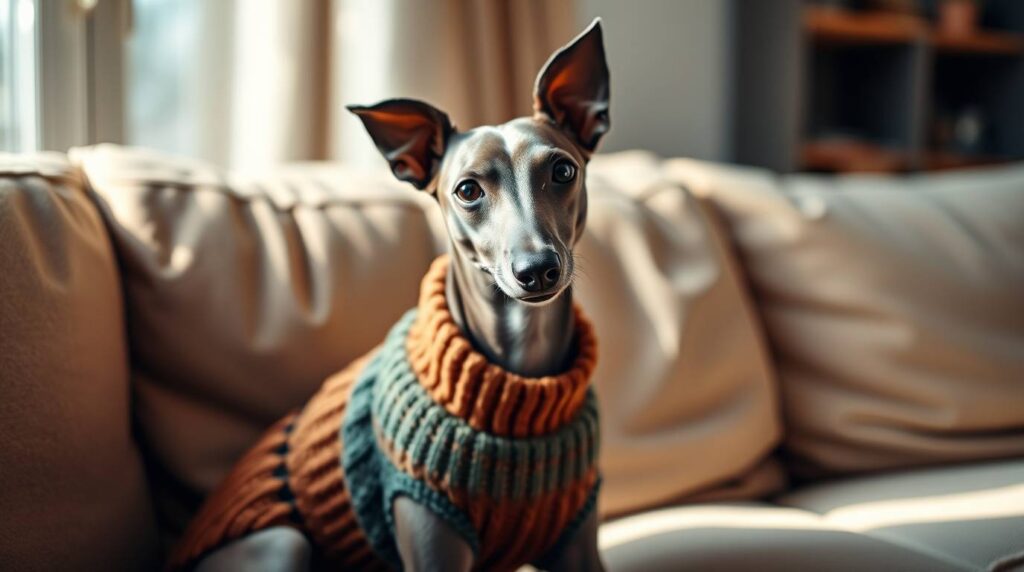
Italian Greyhound
Pros: Elegant, snuggly, and low-maintenance. These tiny greyhounds love cuddles, are easy to groom, and bring a touch of sophistication to any home. Perfect for apartment living and cozy lap time.
Cons: Fragile bones mean you have to be gentle and mindful of jumps or rough play. They also hate the cold, so sweaters or warm jackets are a must for chilly days. Some can be timid or shy, especially around larger dogs or sudden noises.
Personality & Lifestyle: Italian Greyhounds are affectionate little companions who love being close to their humans. They’re playful but delicate, enjoy short bursts of running, and then happily settle down for long cuddle sessions. Their elegance and sensitivity make them both charming and slightly dramatic.
Health Tips: Watch out for fragile bones—avoid high jumps and slippery floors. Keep them warm in colder weather with sweaters or cozy blankets. Regular vet check-ups help catch common issues like dental problems or joint concerns early.
Mochi’s Story: I once met an Italian Greyhound named Luna who refused to walk in the rain. She froze mid-sidewalk, shivering, until her human scooped her up and carried her like royalty. I couldn’t stop wagging my tail—it was the most dramatic little diva performance I’d ever seen!
Bichon Frise
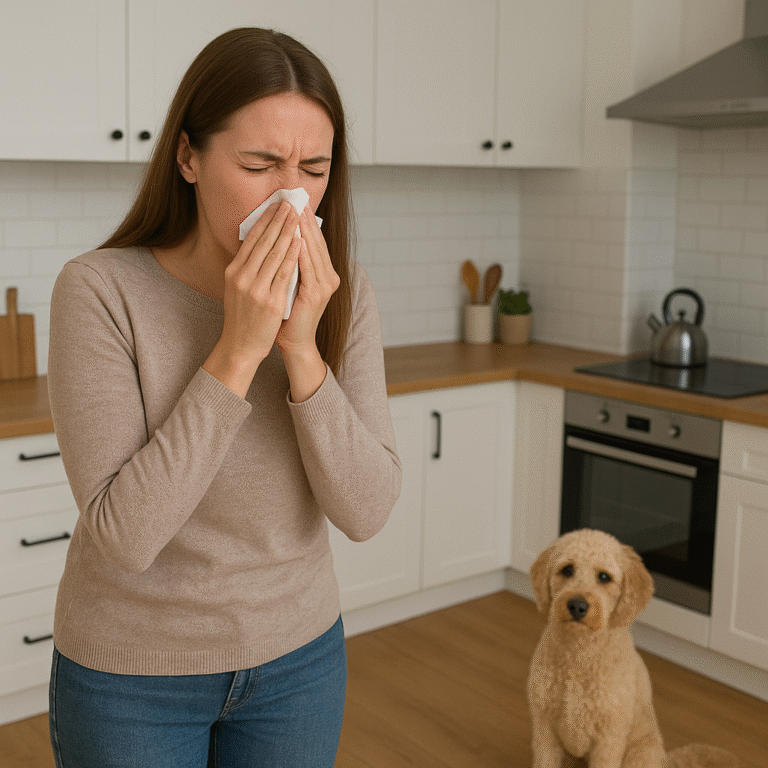
Pros: Hypoallergenic, cheerful, and perfect for apartments. These little fluff balls love cuddles, brighten up any room with their happy personalities, and are generally easy on people with allergies.
Cons: Velcro dogs—they hate being left alone and may get anxious if you’re away for too long. Regular grooming is also a must to keep their fluffy coat tangle-free.
Personality & Lifestyle: Bichons are playful, friendly, and affectionate. They thrive on human interaction and enjoy games, walks, and, of course, endless cuddles. Despite their small size, they have big personalities and often act like they’re running the show.
Health Tips: Regular grooming and brushing are essential to prevent mats and keep their coat healthy. Keep an eye on their teeth, as small breeds can be prone to dental issues. Mental stimulation, short play sessions, and companionship help prevent separation anxiety.
Mochi’s Story: I once met a Bichon Frise named Coco who refused to leave her human’s side for even a second. She followed them everywhere—around the park, under the picnic table, even circling a tree—like a tiny, fluffy shadow glued to their leg!
Pug
Pros: Clownish, affectionate, and perfect for lazy apartment life. Pugs love cuddles, following you from room to room, and making everyone laugh with their expressive faces and silly antics.
Cons: Prone to obesity and snoring. They can also be sensitive to heat due to their smooshy faces and may struggle with breathing if overexerted.
Personality & Lifestyle: Pugs are lovable goofballs who thrive on attention. They’re playful yet laid-back, enjoy short walks, and are happiest when included in all family activities. Despite their small size, they have huge personalities and a knack for stealing hearts (and sometimes snacks).
Health Tips: Keep an eye on their weight and diet to avoid obesity. Regular vet check-ups, gentle exercise, and monitoring breathing in hot weather are key. Dental care is important, as they’re prone to teeth issues.
Mochi’s Story: I once met a Pug named Gizmo who refused to walk any farther than the park bench. He plopped down dramatically, giving the saddest puppy eyes, until his human carried him the rest of the way. I just watched in awe as he perfected the art of stubborn cuteness.
Havanese
Pros: Friendly, adaptable, and hypoallergenic. Havanese love being around people, get along with other pets, and are perfect for apartments or families. They’re cheerful companions who brighten any room with their happy energy.
Cons: Their coat is long and silky, so regular grooming is a must to prevent tangles and mats. Some can also be a bit clingy, wanting constant attention from their humans.
Personality & Lifestyle: Havanese are intelligent and playful. They thrive on social interaction, learn tricks quickly, and are often happiest when included in daily activities. Their adaptable nature makes them ideal for various living situations.
Health Tips: Regular grooming, dental care, and check-ups are important. Havanese are generally healthy but can be prone to hip or eye issues, so short walks, playtime, and monitoring activity are key.
Mochi’s Story: I once met a Havanese named Tango who immediately started performing flips and spins as soon as we entered the park. It was like watching a tiny circus act unfold—he even paused mid-trick to wag his tail at the applause from a passing jogger.
Coton de Tulear
Pros: Soft, affectionate, and quiet. Cotons love cuddles, lounging on laps, and bringing calm vibes to any home. Their cheerful disposition makes them natural companions for apartments or families.
Cons: Their long, fluffy coat needs daily grooming to stay tangle-free. Some can also be a bit clingy, wanting constant attention from their humans.
Personality & Lifestyle: Cotons are friendly, playful, and highly social. They thrive on human interaction, enjoy gentle play sessions, and are happiest when included in daily routines. Their calm, happy nature makes them perfect stress-relievers and loyal companions.
Health Tips: Regular grooming and brushing are essential. Keep an eye on dental care and monitor their joints as they age. Daily short walks and mental stimulation help them stay healthy and content.
Mochi’s Story: I once met a Coton de Tulear named Momo who followed her human everywhere, even into a tiny café. She plopped down under the table, wagging her tail at every passerby like she was hosting a mini meet-and-greet. I couldn’t help but admire how effortlessly cheerful she was—truly an “anti-stress” professional!

Small Dogs That Live Long and Thrive in Apartments
Some pups aren’t just perfect for apartments—they’re marathon-snugglers who’ll stay with you for 12–20 years!
Take Chihuahuas, for example. These tiny dynamos are loyal, portable, and full of sass. Don’t let their size fool you—they can be very vocal if not trained, barking at anyone who dares approach their human. Chihuahuas typically live 14–20 years, making them lifelong companions.
Toy Poodles are like little geniuses wrapped in fluffy coats. Hypoallergenic and brilliant, they learn tricks faster than you can blink. Keep their brains busy, or they might decide your shoes need redecorating. Toy Poodles usually live 14–18 years, giving plenty of time for clever antics and snuggles.
Then there are the Papillons, energetic and affectionate little acrobats with those famous butterfly ears. They’re trainable, playful, and always on the move—definitely not for couch potatoes. Papillons live 13–16 years and bring long-lasting energy and charm to any apartment.
The Maltese, Shih Tzu, Yorkie, and Lhasa Apso are lapdog royalty. Calm indoors and endlessly affectionate, they thrive on snuggles but demand regular grooming—skip it and you’ll soon be wading through a sea of fur. These breeds generally live 12–15 years, providing years of devoted companionship.
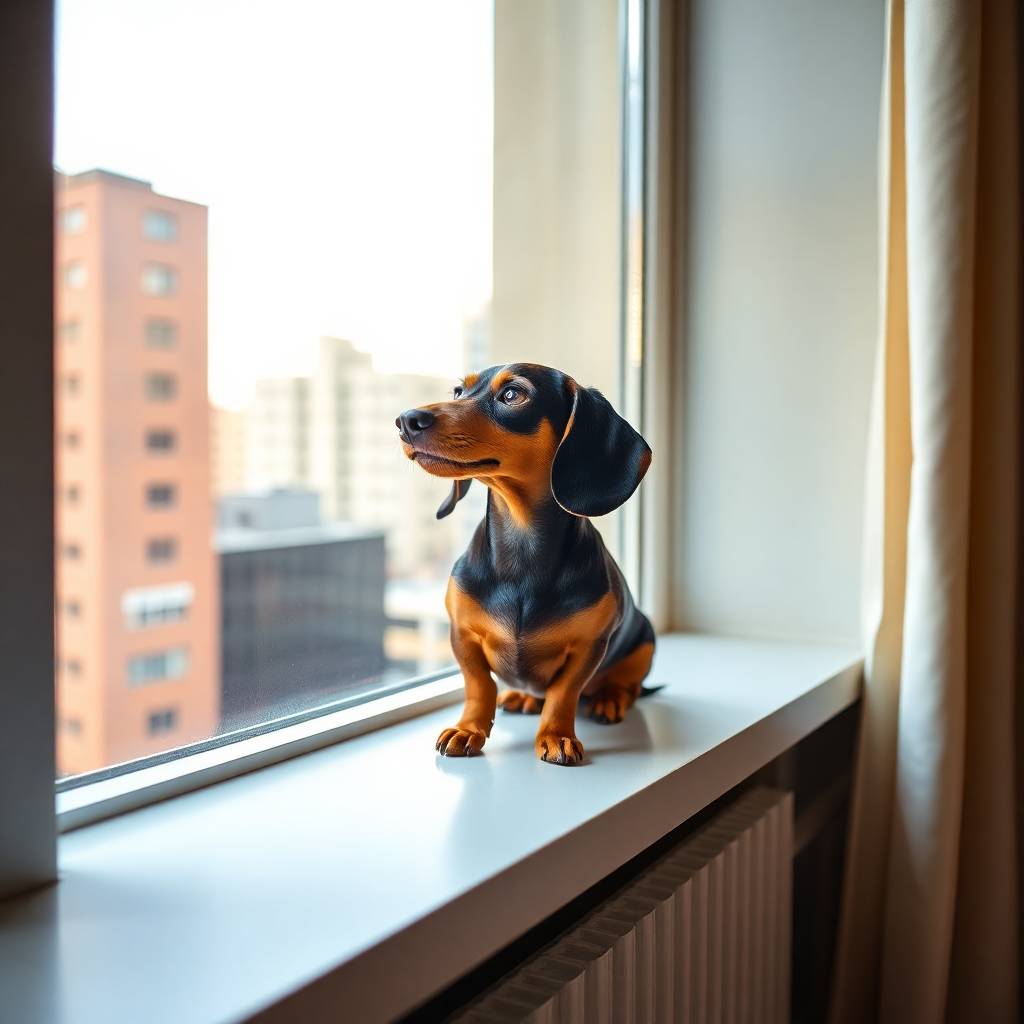
Miniature Dachshunds bring a whole different kind of energy. Brave, hilarious, and stubborn, these little sausage-shaped adventurers love digging, exploring, and plotting mischief. Their backs are fragile, so careful handling is a must, but that doesn’t stop them from acting like the boldest explorers in the park. Miniature Dachshunds live 12–14 years, offering plenty of time for their bold and amusing personalities to shine.
For small pups that are easy to train, my guide to the best easy to train dogs will help you pick smarty-paws that cooperate without chaos.
Common Mistakes When Choosing a Dog for Apartment Life
1. Choosing by Looks Alone
That Pomeranian floof is cute, but can you handle 24/7 bark alerts? A dog’s appearance doesn’t tell you about its personality, energy level, or noise tendencies. Some tiny breeds, like Chihuahuas or Miniature Schnauzers, may be adorably small but surprisingly vocal. Always research temperament and behavioral traits, not just the “aww” factor.
2. Underestimating Exercise Needs
Small doesn’t equal lazy. Jack Russells, Papillons, and Italian Greyhounds may fit in your lap, but they’re full of energy. No walks or mental stimulation can quickly turn your apartment into a “destruction zone” with chewed slippers, scratched furniture, or frantic zoomies. Consider both daily walks and interactive indoor play before committing.
3. Forgetting Grooming
Think you’ll skip brushing? Meet your new roommate: Hairball Mountain. Breeds like Maltese, Shih Tzu, and Bichon Frise require daily brushing to prevent mats and tangles. Even short-haired dogs like French Bulldogs and Pugs need occasional grooming and cleaning to prevent skin issues or excessive shedding. Grooming is part of the routine, not an optional luxury.
4. Ignoring Breed Quirks
Every breed has unique behaviors that can surprise first-time apartment owners:
- Basenjis = climbers and escape artists; fences must be secure.
- Dachshunds = stubborn rulers; training requires patience and creativity.
- Chihuahuas = tiny but mighty bark machines; proper socialization is essential.
- Boston Terriers = flat-faced charmers but prone to gassiness—air fresheners may be necessary.
Understanding these quirks helps prevent frustration and ensures a harmonious living situation.
5. Forgetting Noise Sensitivity
Even quiet dogs can be startled by the sounds of apartment life—elevators, neighbors, or delivery people. Dogs like Italian Greyhounds or Cotons de Tulear are generally calm, but sudden noises may trigger anxiety. Early socialization and training to desensitize them to everyday sounds can save your ears (and your neighbors’ patience).
6. Overlooking Health & Safety in Apartments
Some small dogs aren’t the toughest cookies and can have health stuff to watch out for—apartment living can make it more obvious.
- Miniature Dachshunds = back problems; stairs and high jumps should be avoided.
- Italian Greyhounds = brittle bones and sensitivity to cold; sweaters are a must.
- Flat-faced breeds (Pugs, French Bulldogs) = overheating; never leave them in hot environments!
7. Assuming Apartment-Compatible = Easygoing
Just because a dog can live in an apartment doesn’t mean it will always cooperate. Mochi once saw a Dachshund refuse to leave the park until its human carried it like a prince. Apartment-compatible? Yes. Cooperative? Not always. Know your breed’s temperament and plan accordingly for training, patience, and enrichment.
Training Tips for Quiet Small Apartment Dogs
–> Reward the Silence
Don’t just reward tricks — reward calm behavior too. When your pup sits quietly instead of barking at a noise, offer a treat or gentle praise. Over time, they’ll associate staying calm with positive outcomes. This works best if you catch them in the act of being quiet rather than after they’ve started barking.
–> Block the View
Many small dogs bark at passersby, squirrels, or delivery people outside the window. Closing the curtains or using frosted window film removes visual triggers. If they can’t see the source of excitement, they’re less likely to launch a solo bark concert. For curious pups, try giving them a designated “lookout spot” away from the main windows.
–> Brain Games
A busy brain = a quiet pup. Puzzle toys, scent games, or hide-and-seek can keep your dog mentally engaged for hours. Rotate toys to maintain novelty. Mental stimulation is just as important as physical exercise—especially for smart breeds like Toy Poodles or Papillons.
–> Consistent Routine
Dogs thrive on predictability. Feed, walk, play, and nap at roughly the same times each day. A consistent schedule reduces anxiety and boredom, which are common causes of unnecessary barking. Even small changes in routine can confuse or stress your dog, so stick to your plan as much as possible.
–> Teach “Quiet”
Training a reliable “quiet” cue takes patience. When your dog starts barking, calmly say “quiet” and wait for a pause. The moment they stop, reward with a treat or praise. Repeat consistently. Gradually, your dog will learn that silence earns a reward, and barking doesn’t.
–> Socialize Early
Expose your pup to a variety of sounds, people, and environments from a young age. Well-socialized dogs are less likely to overreact to hallway noises, elevators, or other apartment sounds. Even for adult dogs, gradual exposure paired with treats can help reduce overreactions.
–> Exercise Both Body and Mind
Physical activity alone isn’t enough for many intelligent breeds. Short walks, fetch, and interactive play help burn energy, but always pair with mental challenges—learning tricks, scent trails, or interactive toys—to keep your dog content and quiet indoors.
–> Identify Triggers
Observe when your dog barks the most. Is it doorbells, the mailman, or stray cats outside? Once you know the triggers, you can use targeted training: desensitization, positive reinforcement, or redirection to prevent excessive noise before it starts.
Mochi’s Apartment Survival Kit
Want a happy pup and a quiet apartment? Mochi recommends:
- A comfy bed in their favorite lookout spot
- White noise machine to block hallway sounds
- Indoor potty solution for rainy days
- Rotating toys to beat boredom
- Treat stash for training wins (and bribes)
Pint-Sized Roommates, Full-Sized Fun
Small dogs prove that big personalities can come in tiny packages! These apartment-friendly pups prove that size doesn’t matter when it comes to love, loyalty, or mischief. With the right care, your tiny roommate will bring joy for years to come.
Curious to learn even more, hooman? Check out my other pawsome guides: Dog Age Chart to keep track of your pup’s years, Hypoallergenic Dogs if sneezes aren’t your thing, and Separation Anxiety in Dogs to keep your furball calm when you’re out.
I’m off now, hooman, time to patrol the living room like a boss.
Sniffs and snuggles! – Mochi 🐾